The Lviv region is gradually transforming into one of Ukraine’s key hubs for the development of modern agricultural infrastructure. While its economic profile was once defined primarily by traditional farming and small agricultural enterprises, today the region is increasingly becoming a destination for innovative projects in agricultural processing, grain storage infrastructure, and feed production.
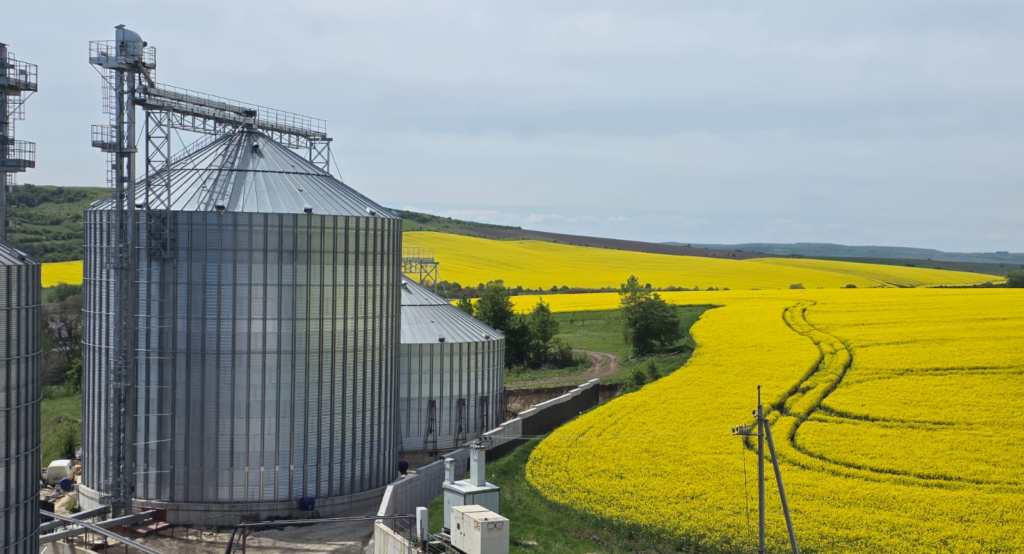
These changes are not happening by chance; they are driven by several interconnected factors, including the region’s strategic geographic location, proximity to European Union markets, the development of logistics infrastructure, and growing investor interest in establishing fully integrated production facilities. Modern agribusiness is becoming less focused on exporting raw commodities and increasingly oriented toward domestic processing, enabling companies to increase the value added of their products while reducing their dependence on fluctuations in global markets. In this context, the Lviv region is emerging as a natural location for the development of vertically integrated agricultural enterprises that combine grain cultivation, storage, processing, and the production of finished goods.
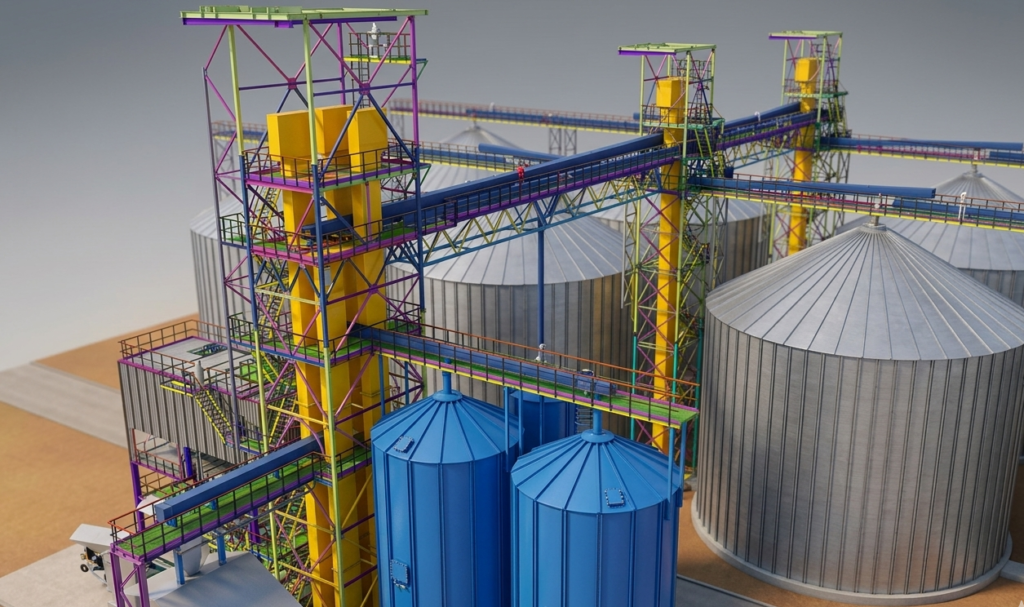
A key characteristic of the current stage of development is that engineering and design have moved to the forefront, effectively determining the future efficiency of production facilities. While the cost of equipment or the speed of construction were once considered the primary factors, today the decisive elements are the quality of engineering solutions, the logic of technological processes, and the potential for future modernization. It is during the design phase that the energy efficiency, productivity, and operational safety of a facility are established. As a result, integrated project delivery is becoming increasingly important, with implementation covering every stage, from concept development to commissioning. This process involves various specialized organizations, including engineering and construction companies responsible for integrating technological solutions and coordinating complex infrastructure projects.
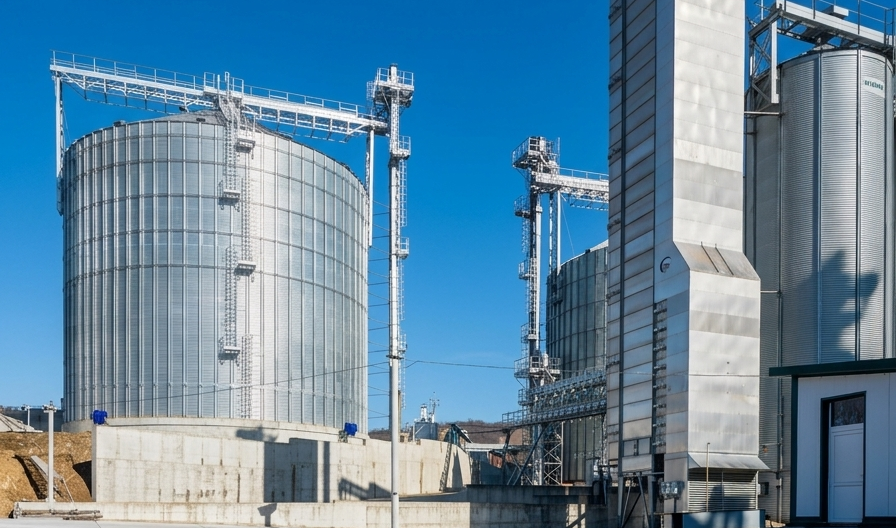
One example of this approach is DCC CHIEF’s participation in the implementation of agro-industrial facilities in the Lviv region, where the company serves as an engineering partner in the development of modern production complexes, including grain storages and feed mills. Within these projects, the company is involved in developing engineering solutions, coordinating technological processes, and implementing modern construction approaches that ensure the integrity and operational efficiency of future facilities. Cooperation with international equipment manufacturers and the integration of European technological standards also play an important role, enhancing the competitiveness of Ukraine’s agricultural infrastructure. Another significant trend is the growing role of digital technologies in engineering and design. The use of 3D modelling and digital planning systems makes it possible to evaluate engineering solutions at an early stage, eliminate potential errors, and optimize construction costs. This is shaping a new approach to agro-industrial construction, where every component is considered part of a single integrated technological system.
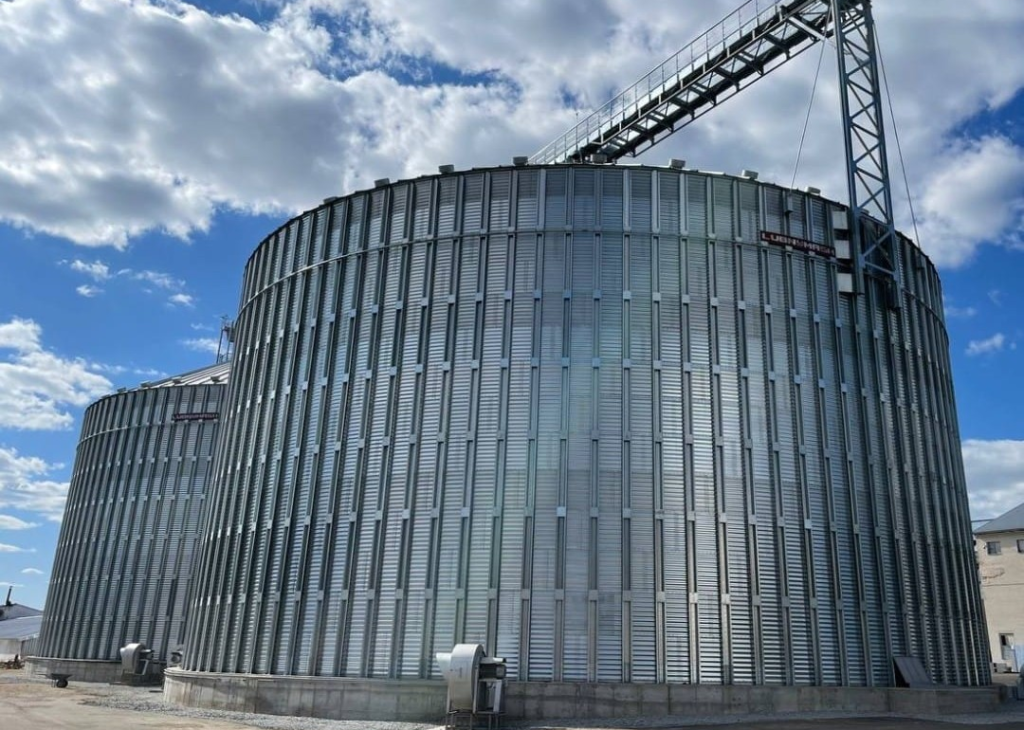
As a result, the Lviv region is gradually evolving into a centre of a new agricultural production culture built on the combination of engineering expertise, innovation, and investment. These developments are significant not only from an economic perspective but also from a strategic one, as they contribute to the growth of local communities, create new employment opportunities, and strengthen Ukraine’s position in the European agricultural market.