Ukraine’s modern agricultural sector is undergoing a profound transformation that is reshaping the very logic of production. Whereas the industry once relied on a fragmented model in which cultivation, storage, processing, and logistics operated as separate businesses, today the concept of full-cycle enterprises is becoming increasingly important. This model integrates all key processes within a single production system, enabling agricultural companies to improve efficiency, reduce costs, and maintain greater control over product quality. Such an approach is particularly relevant in the face of global competition, climate change, and volatile international markets, where the ability to adapt quickly has become a defining factor of business competitiveness.
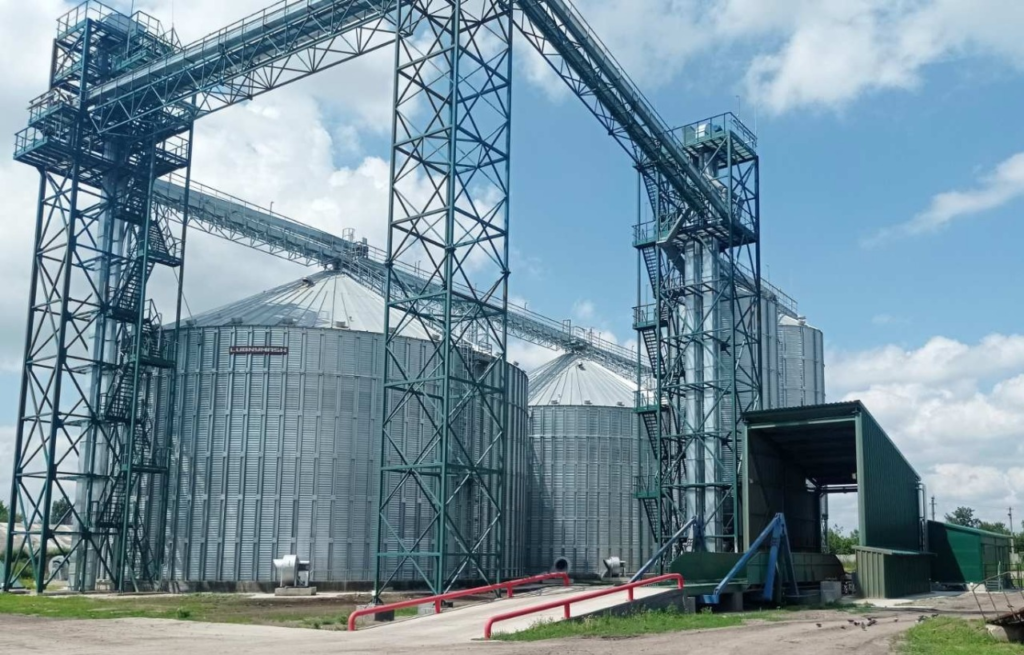
Full-cycle enterprises represent a new economic model in which grain and other agricultural commodities are no longer sold merely as raw materials but instead undergo the entire value-adding process within a single production chain. This includes cultivation, cleaning, drying, storage in modern grain storage complexes, processing into animal feed and other products, as well as logistics and distribution to end markets. Such integration reduces dependence on intermediaries and price fluctuations while providing greater business resilience, even during periods of economic uncertainty. Technological advancement, particularly the digitalization of agricultural operations, is another key driver of this transformation.
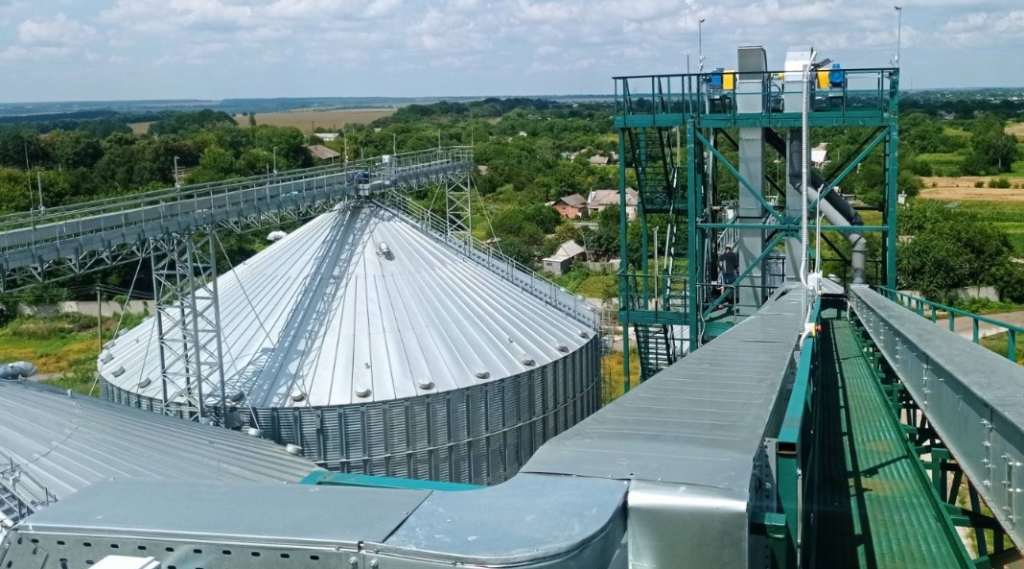
Modern enterprises increasingly rely on automated control systems, digital production modelling, and energy-efficiency monitoring to optimize operating costs, forecast workloads, and minimize raw material losses. Equally important is the engineering approach to design, where the priority is not the construction of individual structures but the creation of a fully integrated technological system. From silos and material handling systems to power infrastructure and automation, every component must operate as part of a unified production complex. In this context, DCC CHIEF plays an important role in delivering modern agro-industrial projects through an engineering partnership approach. The company’s methodology focuses on coordinating technological solutions, managing every stage of the design process, and integrating advanced European engineering practices into agricultural infrastructure, enabling the systematic development of efficient production complexes.
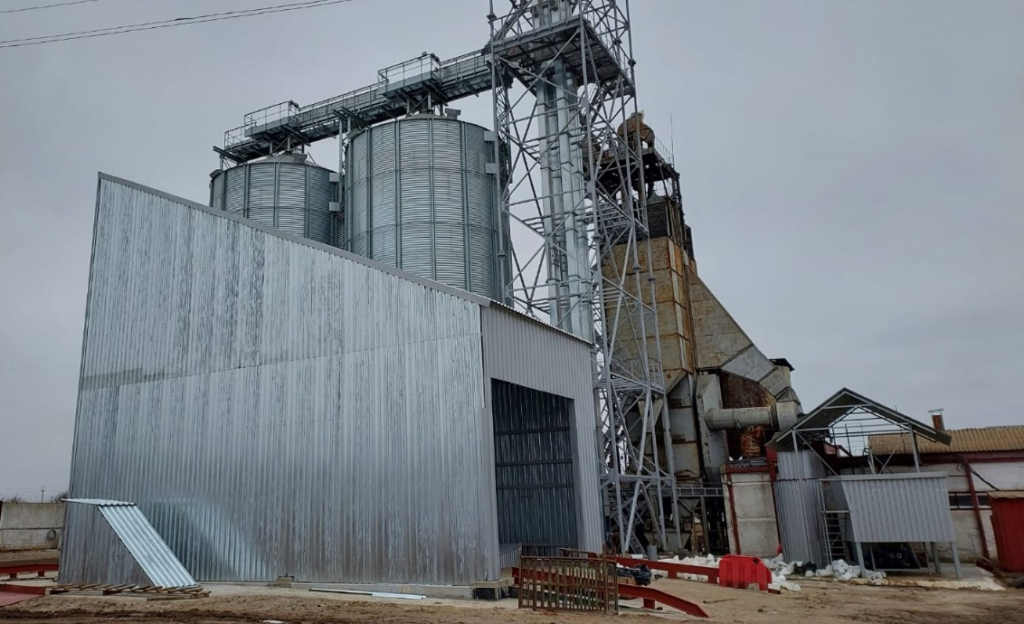
These integrated approaches are also being actively implemented in the Ternopil region, which is emerging as one of Ukraine’s promising locations for the development of grain infrastructure and animal feed production. The growing number of grain storage complex and deep-processing projects is driving demand for integrated engineering solutions. Full-cycle enterprises also generate significant regional economic benefits by creating jobs, supporting related industries such as construction, logistics, energy, and mechanical engineering, and increasing local tax revenues. In addition, they enhance the investment attractiveness of regions by providing long-term stability and sustainable development opportunities.
Environmental sustainability is another key advantage of integrated production systems. They enable more efficient use of resources, reduce waste generation, and support the implementation of energy-efficient technologies. As a result, the full-cycle enterprise model is steadily becoming the new benchmark for Ukraine’s agricultural sector, combining operational efficiency, technological innovation, and long-term strategic growth. Engineering companies such as DCC CHIEF contribute to this transformation by supporting the development of modern agricultural infrastructure, including projects across the Ternopil region.