A few decades ago, the success of an agricultural enterprise was determined primarily by soil fertility, weather conditions, and the quality of its machinery. While these factors remain important today, they are no longer the decisive ones. Modern agribusiness has evolved into one of the most technologically advanced sectors of the economy, where competitiveness increasingly depends on the efficiency of production infrastructure, the level of automation, energy efficiency, and the quality of engineering behind every production process. As a result, engineering has moved to the forefront. Whereas design was once viewed simply as a mandatory stage before construction began, it has now become a strategic tool for business development. The quality of an enterprise’s engineering design determines not only its initial investment cost but also its operational efficiency for decades to come.

Ukraine’s agricultural sector is undergoing a large-scale transformation. The war, shifting global logistics routes, growing competition in international markets, energy shortages, and workforce challenges are forcing businesses to rethink traditional approaches to production. Under these conditions, engineering solutions are creating new opportunities for growth even in a challenging economic environment. A modern agricultural enterprise is no longer just farmland and grain storage. It is a sophisticated technological complex that integrates production buildings, automation systems, material handling and logistics, power infrastructure, water treatment systems, ventilation, fire protection, digital monitoring, and production management systems. Every one of these elements must operate as part of a single integrated system, and that is only possible through high-quality engineering design.
This trend has become particularly evident in recent years. Whereas many enterprises were built using standard designs just a decade ago, today almost every project has its own unique requirements. Business owners are looking to tailor production to their specific operational needs, optimize internal logistics, reduce energy consumption, minimize operating costs, and ensure future scalability. As a result, today’s design engineer is no longer simply the author of technical drawings. They have become one of the key contributors to the business process, playing a vital role in shaping the long-term economic performance of the enterprise.
Design as an Investment, Not an Expense
It is still common to hear that engineering design is simply a formal requirement before construction can begin. In reality, it is during the design phase that an enterprise’s long-term economic performance is determined. Any production operation is expected to function for decades, and even minor planning mistakes can result in significant financial losses over time. Poorly designed site logistics increase fuel consumption and operational delays. Insufficient engineering capacity limits future expansion. Incorrect equipment layouts reduce productivity, while inefficient structural solutions increase heating, ventilation, and maintenance costs. Conversely, high-quality engineering design eliminates many of these challenges before construction even begins. That is why leading agricultural companies increasingly view engineering design as a long-term investment rather than an expense. They understand that the cost of professional engineering services represents only a small portion of the overall construction budget, yet has a profound impact on the efficiency and profitability of the enterprise throughout its operational life.
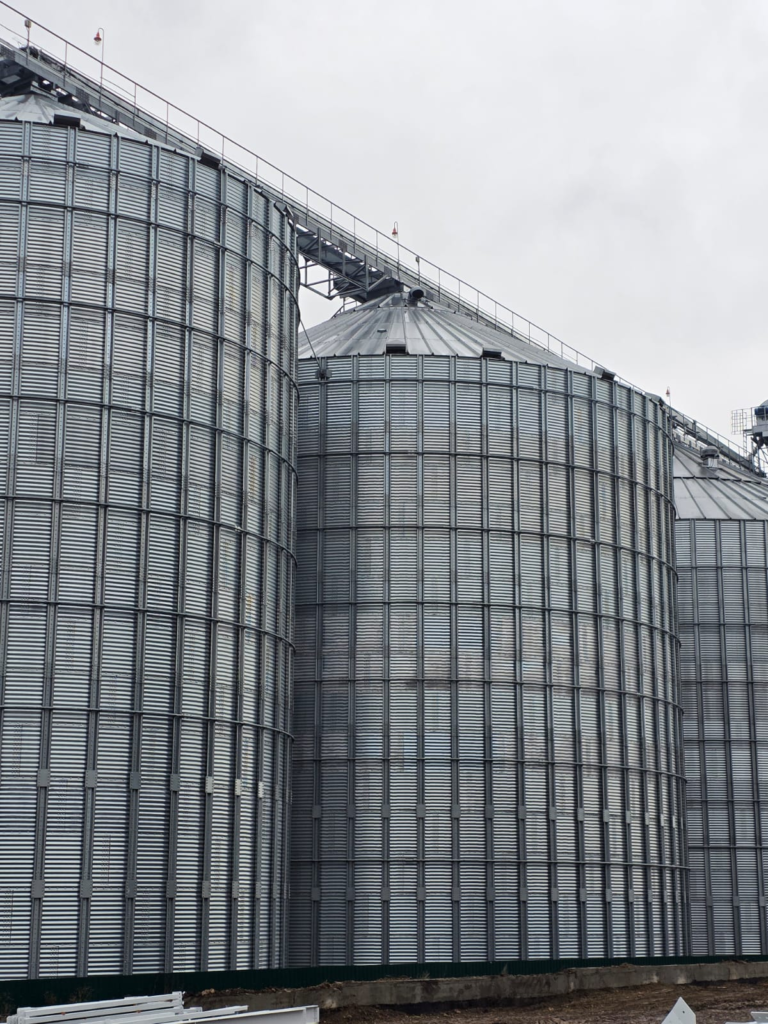
An engineer evaluates far more than the structure of a building. They analyse the entire operational logic of the future enterprise. How will vehicles move across the site? Where will the main raw material flows be routed? How can product handling be minimized? How should backup power systems be designed? How easily can the enterprise be modernized or expanded five or ten years from now? The answers to these questions are established long before the first foundation is poured. Engineering therefore becomes not a supporting function but one of the primary drivers of agribusiness efficiency.
New Challenges Require New Engineering Approaches
Today’s agricultural sector operates in an environment of constant change. While producing a successful harvest was once the primary objective, it is now equally important to receive, dry, store, process, and deliver agricultural products to end markets as quickly and efficiently as possible. Every one of these stages requires sophisticated engineering infrastructure. This is particularly evident in grain storage complexes. Higher crop yields, growing export volumes, and changing logistics routes are creating new performance requirements for grain handling operations. They must operate faster, more efficiently, and with lower energy consumption. The same applies to feed mills, seed processing plants, livestock complexes, vegetable storage, logistics centres, and agricultural processing operations.
Today’s engineers must possess expertise not only in structural design but also in process equipment, digital control systems, production automation, environmental compliance, and modern construction standards. In practice, engineering design has become a multidisciplinary discipline in which every decision influences dozens of other elements of the future enterprise.
Digital Technologies Are Transforming Engineering Design
One of the most significant trends of the past decade has been the widespread adoption of digital technologies in engineering design. Whereas engineers once relied primarily on two-dimensional drawings, today they increasingly use BIM, 3D modelling, digital twins, and integrated information models. As a result, before construction even begins, clients can virtually walk through their future enterprise, evaluate production logistics, review equipment layouts, verify the interaction of engineering systems, and even forecast operating costs. This approach significantly reduces the number of issues that were once identified only after construction had already started.
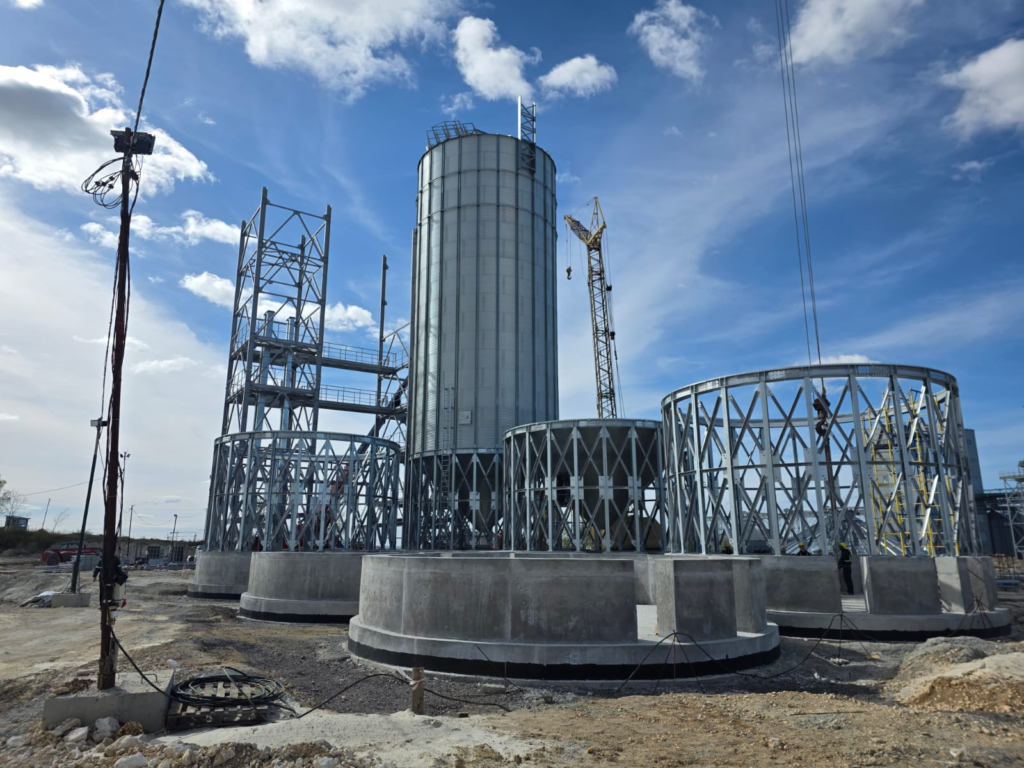
Digital models also make future modernization far more efficient. If an enterprise plans to install new equipment or increase production capacity several years later, a digital model allows engineers to assess potential modifications quickly without the need for costly site surveys. In this way, a modern engineering project becomes much more than a set of technical documents—it evolves into a comprehensive digital model of the future enterprise that supports its operation throughout its entire lifecycle.
Engineering as a Tool for Risk Management
The construction of any industrial complex requires substantial capital investment. Mistakes made during the early stages of a project can cost millions, delay commissioning, or even make certain production processes economically unviable. High-quality engineering design significantly reduces these risks. During the concept development phase, engineers can identify potential challenges, evaluate opportunities for future expansion, verify that process equipment meets production requirements, forecast loads on engineering systems, and determine the most efficient organization of technological processes.
Safety considerations are equally critical. Modern agricultural enterprises operate with combustible dust, extensive electrical installations, gas-fired systems, complex material handling equipment, and automated production technologies. Any design error can result not only in financial losses but also in serious safety risks. That is why professional engineering design today brings together economic efficiency, technological performance, operational safety, and the long-term sustainability of the enterprise.
DCC CHIEF: An Engineering Partner for Modern Agribusiness
Every successful engineering project begins with a thorough understanding of the client’s business. It is not enough to produce technically accurate drawings or perform the necessary calculations. What truly matters is understanding how the enterprise will operate five, ten, or even twenty years into the future, the production challenges it will face, and the opportunities for growth that must be built into the project from the outset. This is the philosophy embraced by DCC CHIEF, which specializes in delivering comprehensive engineering solutions for industrial and agro-industrial projects. The company approaches every project as a unique system in which structural design, production processes, engineering systems, and economic efficiency must function as one integrated whole.
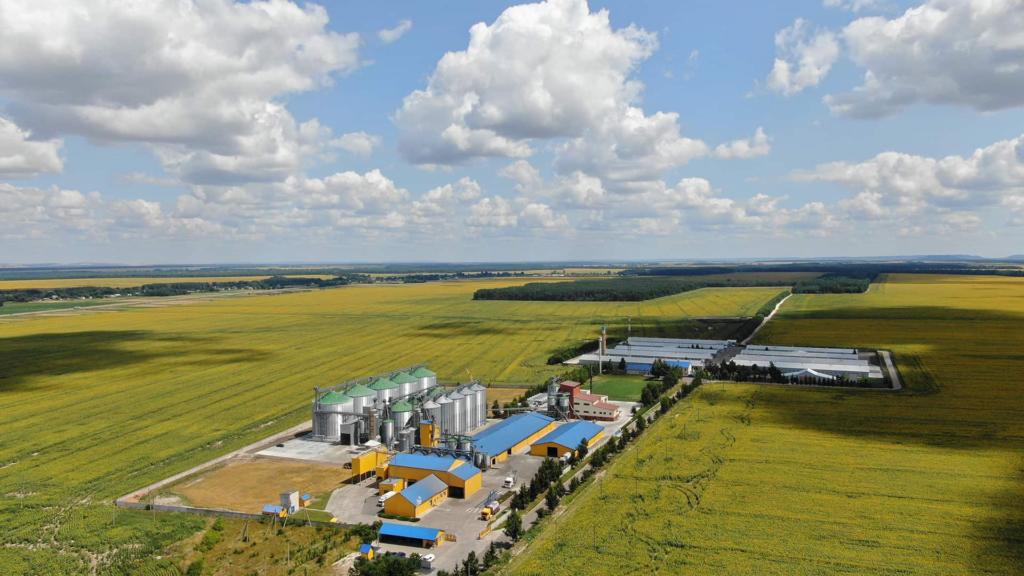
The company’s engineering team focuses not only on ensuring compliance with current regulations but also on maximizing the practical performance of future production operations. This approach results in projects that meet today’s requirements for productivity, energy efficiency, operational safety, and future modernization.
A key advantage of DCC CHIEF is its comprehensive project support. In practice, this means that every critical decision is made with careful consideration of its long-term impact on construction, operation, and future business development. This integrated approach minimizes project risks, reduces the need for technical changes during implementation, and helps clients make more efficient use of their investment.
As Ukraine’s agricultural sector continues its profound transformation, professional engineering is becoming one of the key drivers of competitiveness. It enables businesses not only to build new production capacity but also to create modern infrastructure capable of meeting the challenges of the future.
DCC CHIEF welcomes cooperation with agricultural enterprises, industrial companies, investors, and partners seeking to implement advanced engineering solutions. Whether you are planning a new construction project, modernizing an existing enterprise, or require professional engineering support, the company’s experienced team is ready to provide comprehensive solutions backed by many years of expertise.
To speak with our specialists, call +38 (050) 836-20-05 or email info@pbk-chief.com. You can also learn more about the company, explore completed projects, and follow the latest industry news by visiting https://pbk-chief.com/ or following DCC CHIEF on Facebook and LinkedIn.
The future of Ukraine’s agribusiness will increasingly be shaped not only by crop yields or global market conditions but also by the quality of the engineering decisions made long before construction begins. That is why professional engineering design is no longer just one stage of an investment project—it has become the strategic foundation for an enterprise’s long-term success.