Ukraine’s agricultural sector is currently undergoing one of the most significant transformations since the country gained independence. For decades, Ukraine has maintained its position as one of the world’s leading producers of grain and oilseed crops, contributing to global food security while generating substantial export revenues, supporting regional development, and serving as a cornerstone of the national economy.
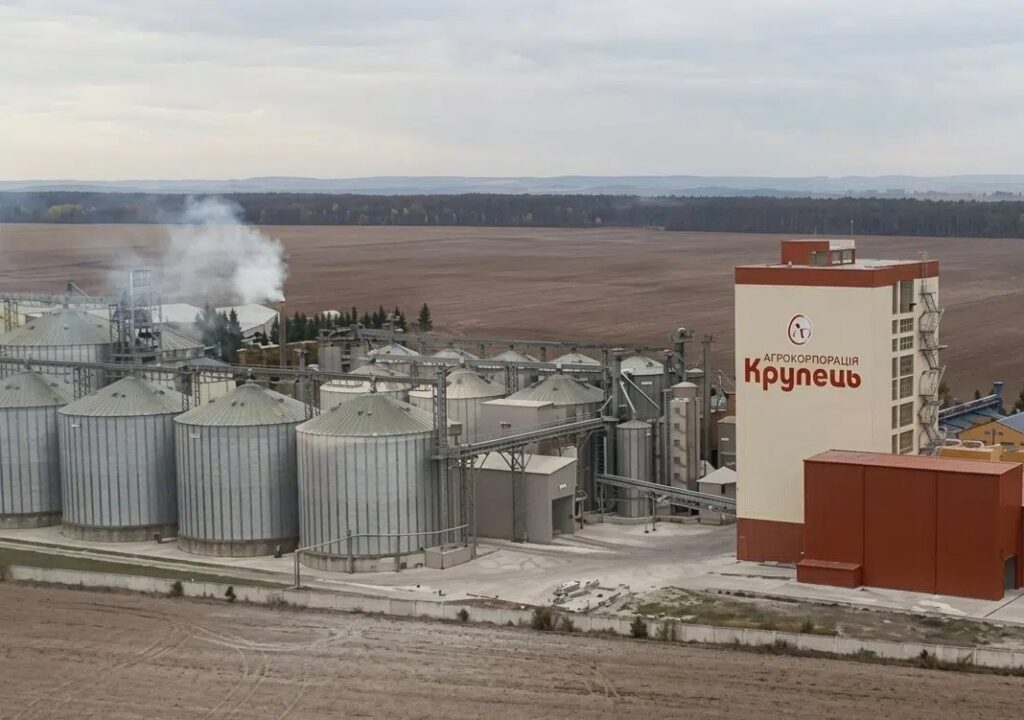
However, global economic trends are fundamentally reshaping the way the agro-industrial sector operates. While high crop yields and extensive farmland were considered the primary competitive advantages just ten or twenty years ago, today’s competition is increasingly focused on creating maximum added value. International markets are no longer driven by demand for raw agricultural commodities alone—they increasingly require finished products manufactured using advanced technologies, digital quality control systems, energy-efficient solutions, and integrated production infrastructure. This shift is driving the emergence of a fundamentally new model of agro-industrial production. At its core is vertical integration, where every stage—from grain receiving, storage, drying, and cleaning to deep processing, packaging, logistics, and the distribution of finished products—operates as part of a single, integrated production system.
This model enables enterprises to use production resources far more efficiently, reduce operating costs, minimize logistics risks, and maintain consistently high product quality throughout every stage of the production cycle. Today, integrated operations have become the defining competitive advantage of modern agribusiness.
According to Oleksandr Chumachenko, Director of DCC CHIEF, a successful agro-industrial complex begins long before the first production building is constructed: “We are increasingly talking not about constructing individual buildings but about creating an integrated production system. An enterprise’s competitiveness depends on how effectively all of its components work together, from raw material logistics to the production of finished goods. It is this level of integration that creates long-term business resilience.”
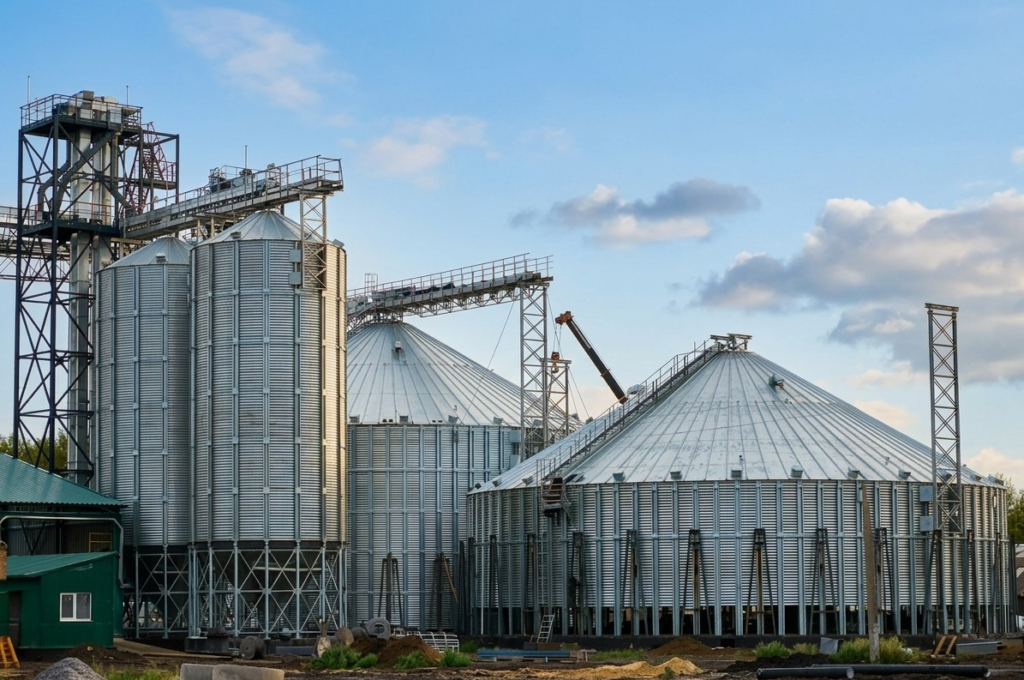
According to the Director of DCC CHIEF, the future of Ukraine’s agro-industrial sector belongs to full-cycle enterprises capable of maintaining complete control over technological processes, responding quickly to market changes, and producing high-value-added products. As a result, the development of production infrastructure has become more important than ever. Modern agribusiness can no longer operate without high-tech grain storage complexes, logistics centres, feed mills, grain processing plants, modern warehouse complexes, quality control laboratories, automated production lines, and digital management systems. In practice, the agro-industrial sector is steadily evolving into a highly sophisticated engineering system in which every production process is interconnected. This transformation is fundamentally redefining the role of design and construction companies. Rather than acting solely as contractors, they are becoming strategic partners in creating the production ecosystems of the future.
Designing the Future: Why Construction Begins Long Before the First Foundation
Global best practices clearly demonstrate that the success of an industrial project is determined at the concept development stage. It is during this phase that the decisions shaping an enterprise’s operational efficiency for decades to come are made. A modern agro-industrial complex is no longer designed as a collection of individual buildings. Instead, it is developed as a single technological system in which every component serves a clearly defined purpose and integrates seamlessly into the overall production process. This is precisely why the role of a design and construction company has fundamentally evolved.
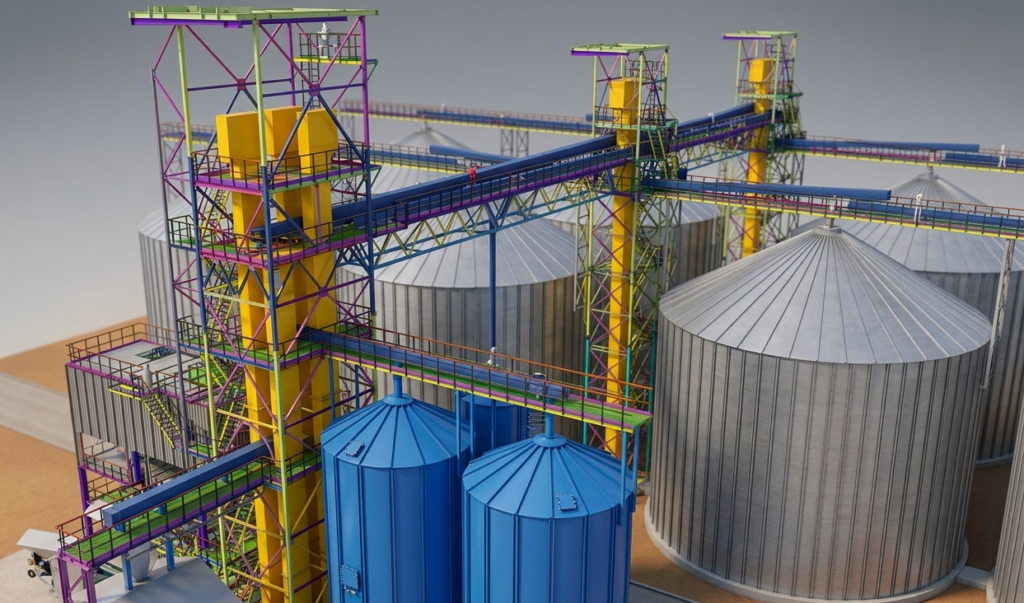
DCC CHIEF views its role as extending far beyond design and construction works. The company acts as a strategic partner, participating in the development of the project’s concept, analysing production flows, recommending optimal engineering solutions, coordinating every stage of project implementation, and ensuring the successful commissioning of the completed enterprise. This approach reflects current global trends in industrial construction, where the general contractor serves as the integrator of every aspect of an investment project.
According to Oleksandr Chumachenko, Director of DCC CHIEF: “Our task is not simply to build a project. We help our partners create modern production operations that will remain competitive for many years. To achieve this, it is essential to consider future expansion, automation, modernization, and the integration of new technologies from the very beginning.”
As the general contractor, DCC CHIEF provides comprehensive management of every stage of project implementation. The company coordinates designers, equipment suppliers, subcontractors, and the client while overseeing quality assurance, scheduling, budget management, and engineering decisions. This integrated approach minimizes project risks, shortens construction timelines, and ensures compliance with modern international standards. Such coordination is particularly important in large-scale agro-industrial projects, where dozens of technological processes must be integrated into a single production system.
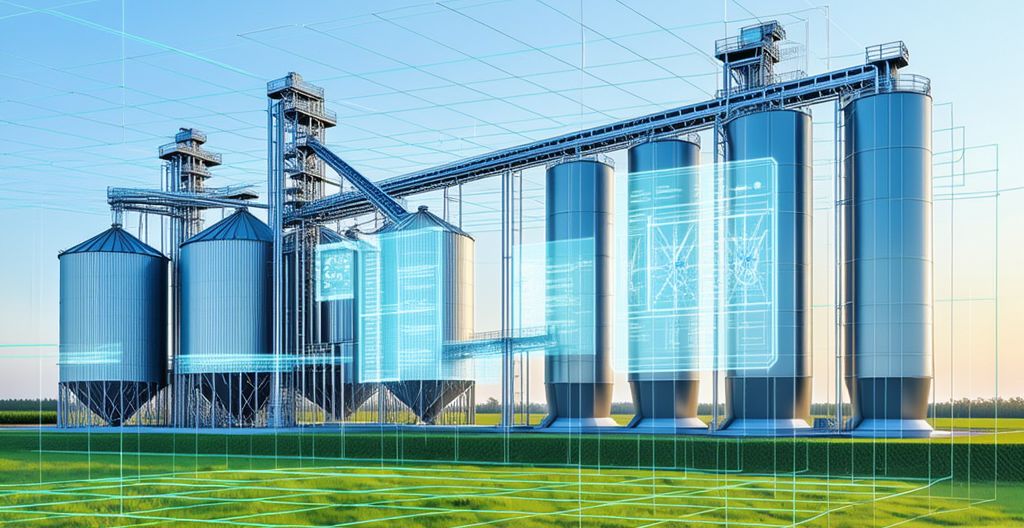
Oleksandr Suprun, Marketing Director of DCC CHIEF, comments: “Constructing a modern industrial enterprise has long since evolved beyond the building process itself. It is comprehensive investment project management, where logistics, technology, automation, digital solutions, environmental requirements, and future production development must all be considered. It is this integrated approach that makes it possible to create the next generation of industrial enterprises.”
Today’s agro-industrial enterprises increasingly resemble high-tech production centres, where virtually every process is monitored and controlled by digital systems. The adoption of BIM modelling, automated production management systems, intelligent quality control systems, energy-efficient technologies, digital logistics, and big data analytics has become the standard in modern industrial construction. Today, engineering solutions influence an enterprise’s economic performance just as much as crop yields or grain prices. That is why DCC CHIEF places particular emphasis on designing production infrastructure capable of delivering efficient performance for decades.
Strategic Partnership as the Foundation of Ukraine's Industrial Development
The construction of a modern agro-industrial enterprise no longer ends when the project is commissioned. In reality, that is when its operational life truly begins. As a result, an increasing number of Ukrainian investors are choosing not just a construction contractor but a strategic partner capable of supporting the enterprise’s development for years to come. This is the model offered by DCC CHIEF. The company delivers investment projects on a full-cycle basis, from concept development and engineering consulting to general contracting, construction, coordination of all project participants, commissioning, and support for future production upgrades. This approach allows clients to focus on growing their business while entrusting project delivery to an experienced professional team. In today’s environment, the general contractor has become the single point of responsibility for the successful execution of an investment project, ensuring transparent management, seamless coordination, quality control, on-time delivery, and the efficient use of investment capital.
According to Oleksandr Chumachenko, Director of DCC CHIEF: “Our goal is not simply to build production facilities. We strive to become a long-term partner in the development of Ukrainian businesses. Understanding our clients’ strategic objectives, helping them create an efficient production model, and delivering infrastructure that will support their growth for decades are what truly matter to us.”
This philosophy of partnership is increasingly shaping the future of modern industrial construction. Ukraine’s agro-industrial sector is on the threshold of large-scale transformation, encompassing the restoration and modernization of production infrastructure, the expansion of deep processing, the development of modern logistics hubs, and the construction of high-tech industrial enterprises. Delivering projects of this scale requires not only investment but also experienced partners capable of providing comprehensive support throughout every stage—from concept development to commissioning and the long-term expansion of production capacity.
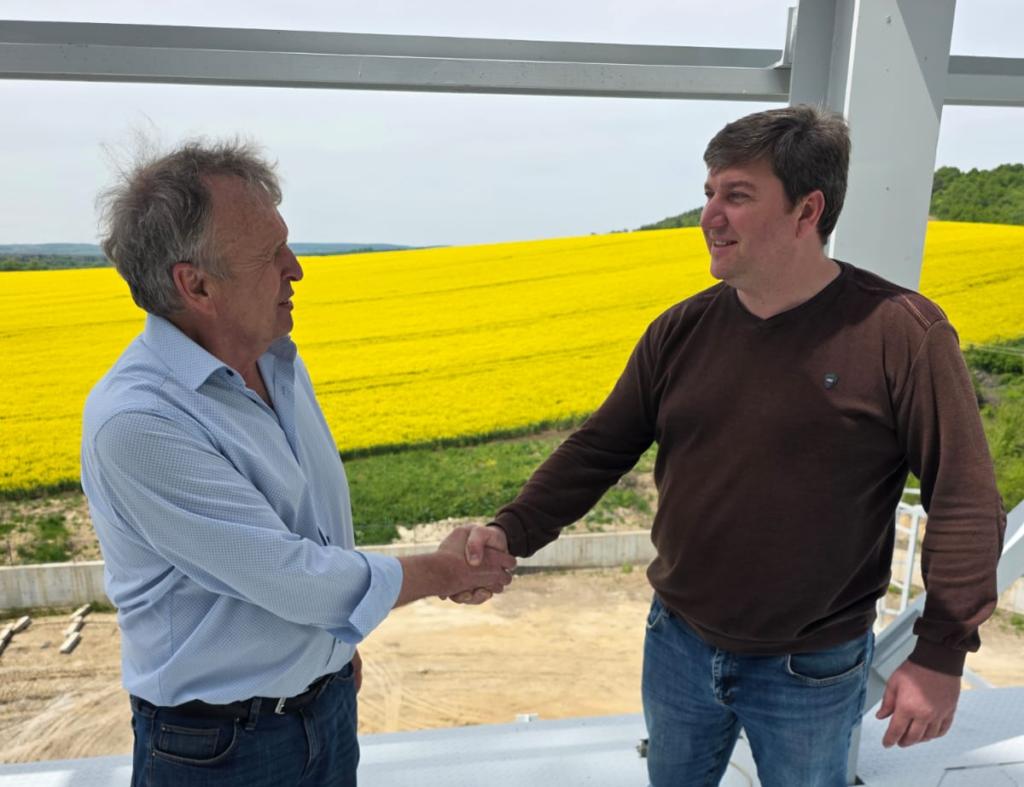
It is within this context that the role of DCC CHIEF continues to evolve. The company acts not merely as a general contractor but as a strategic partner that assumes responsibility for the successful delivery of the entire project. By combining expertise in design, engineering, construction, and the management of complex industrial projects, DCC CHIEF creates modern production systems built for long-term efficiency and sustainable growth. The company’s philosophy is based on the understanding that a successful project is defined by more than the quality of its construction. It is, above all, a well-designed production ecosystem in which every engineering solution, technological process, and infrastructure component contributes to a common economic objective. This integrated approach enables enterprises to adapt to changing market conditions, embrace innovation, expand production, and maintain their competitiveness over the long term.
The ongoing transformation of Ukraine’s agro-industrial sector is creating a fundamentally new economic reality. What was once a traditional agricultural industry is becoming a sophisticated integrated system that combines engineering, digital technologies, industrial construction, automation, logistics, and deep processing. Together, these elements are driving the transition to a high-value-added production model, where competitive advantage depends not only on raw materials but also on the technologies used to transform them. Within this new industrial landscape, the role of infrastructure partners is also evolving. Design and construction companies are becoming strategic contributors to economic development because they create the physical foundation of the new economy. The quality of their engineering solutions will determine how effectively enterprises can scale their operations, implement innovation, and compete successfully in international markets.